Wow, one week down and only eleven more to go. I am exactly
halfway through my Bachelor of Learning Management in Early Childhood and it
feels like I am on the home stretch which is great. While I have had a lot of
experience with ICT’s in both my personal and professional life, I have not had
any experience blogging so I am keen to develop new skills in this area
throughout the duration of this course.
The course materials focused on learning styles and learning
theories this week. These topics have been a focus of several of my other
courses so it was nice to be able to refresh on these topics. I have also had
direct experience working with students with diverse learning styles while on
prac.
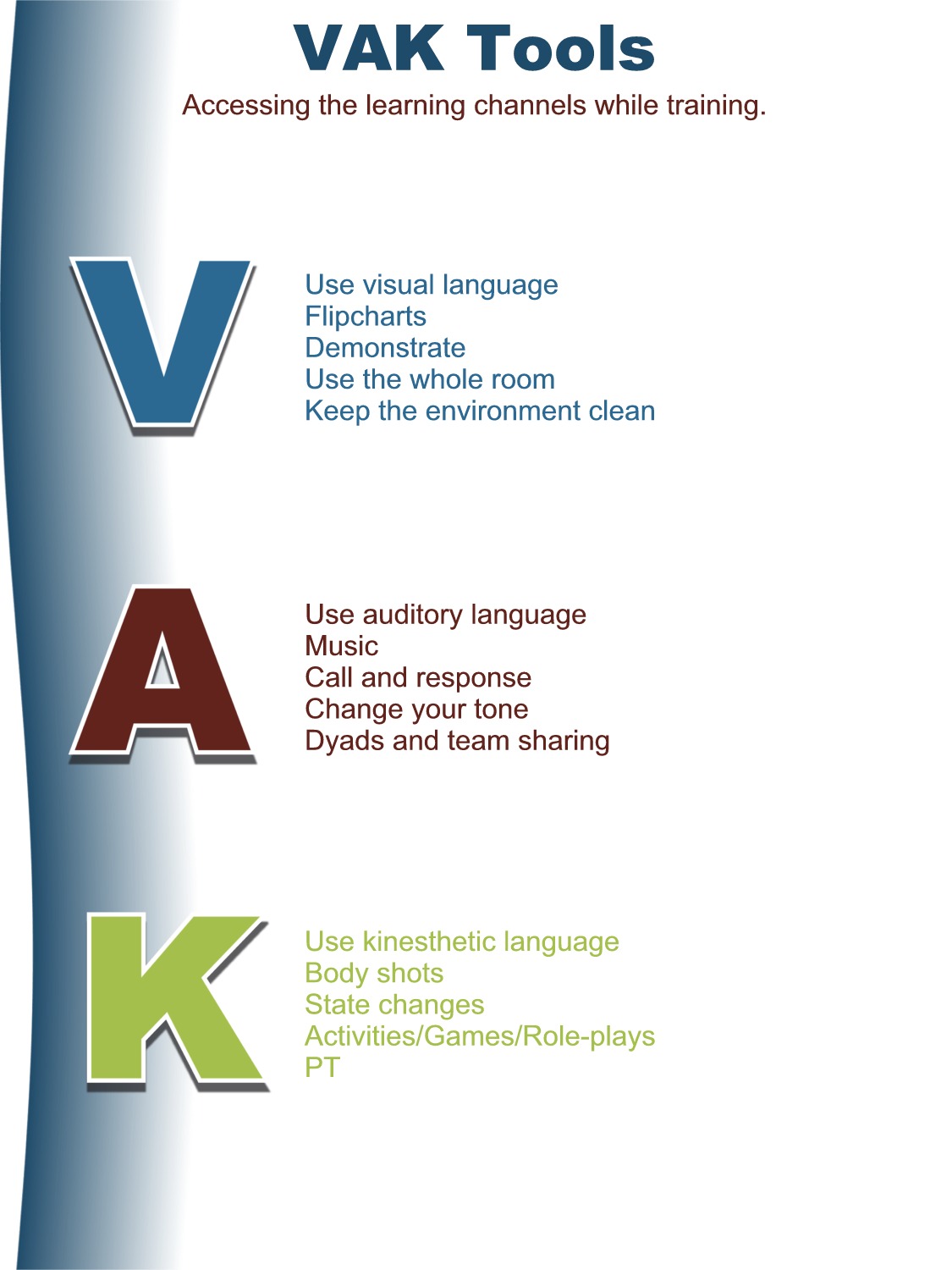
I looked over the VAK and Felder and Solomon learning style
taxonomies and found some visual resources that summarised them for me to look
back at later. I have come across these and several other learning style taxonomies
in courses that I have done previously there seems to be as many different
models as there are learning styles so there is something out there for
everyone which is helpful to know as a teacher because there are endless
amounts of resources for different learners.

Retrieved from: http://lsuagcenterode.files.wordpress.com/2011/08/learningstyles.jpg

Retrieved from: http://www.seedstraining.com/denmark4d808/images/4D%20Workbook/vak%20tools.jpg

Retrieved from: http://www.seedstraining.com/denmark4d808/images/4D%20Workbook/vak%20tools.jpg
As a Pre-Service learning manager it is important to realise
the value of having a diverse range of learning styles in your classroom to
provide realistic learning to students and to prepare them for the real world
where not everybody has the same strengths, weaknesses and abilities. Real life does not have a one size fits all design so
there is no reason that there should be a one size fits all design in the
classroom.

I took the Gardner’s Theory Multiple Intelligences test and
I am mainly a musical, interpersonal and linguistic learner, these strengths
influence me as a learner because I find that my favourite subjects include
English, music and classes where there is group work or opportunity for
interaction with my peers while I find that I do not enjoy technical subjects
such as Maths and Science as much. I haven’t really thought about how my preferred
learning styles influence me as a teacher so I might make a note of it and
think about it when I am back at prac.

Retrieved from: http://www.bgfl.org/bgfl/custom/resources_ftp/client_ftp/ks3/ict/multiple_int/questions/results.cfm
Looking over the learning theories from this week’s
engagement I found that all four of the theories have been touched on earlier
in my degree but it was different looking at them from and IT and 21st
century perspective rather than just looking at them as a whole.
Connectivism and constructivism strike me as the two
learning theories that work well with 21st century learners as well
as integration with IT because we live in an age where we are constantly
connected to each other by the touch of a button. Social constructivism through
the use of blogs, wiki’s, discussion forums and even personal text messages are
valuable tools for students to corroborate with and learn from each other and
to confirm their learning. Connectivism is also valid for 21st
learners because it is not essential to know everything but rather to know where
to get that information from and how to get it.
Until next week...



No comments:
Post a Comment